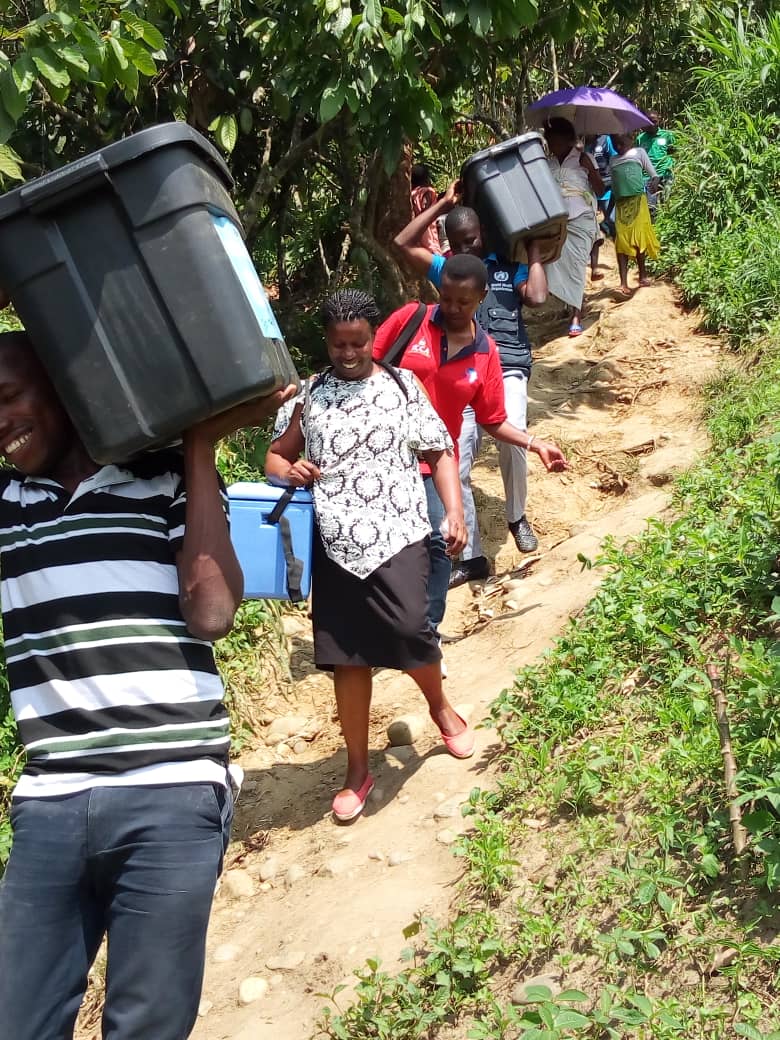
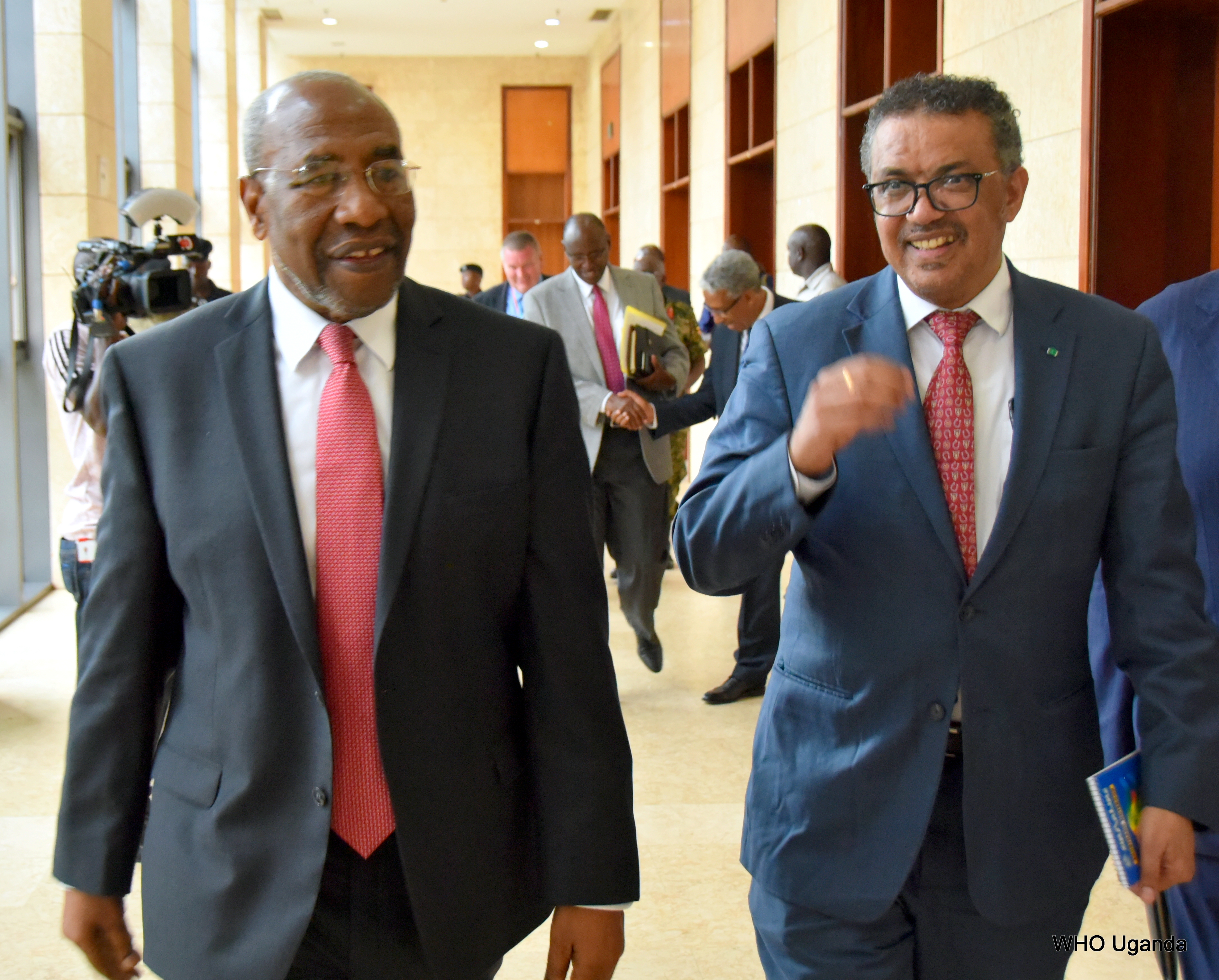
1.6 Million people benefit from Yellow Fever Vaccination in Buliisa and West Nile Region
Mr Mark Oguma Oguti and his daughter Claudia are thrilled about the launch of the #YellowFever Vaccination campaign.
Onchocerciasis, also known as river blindness, is a disease caused by infection with the parasitic worm Onchocerca volvulus. Symptoms include severe itching, bumps under the skin, and blindness. It is the second most common cause of blindness due to infection, after trachoma.
Uganda confirmed Coronavirus Disease also known as COVID19 in the country.
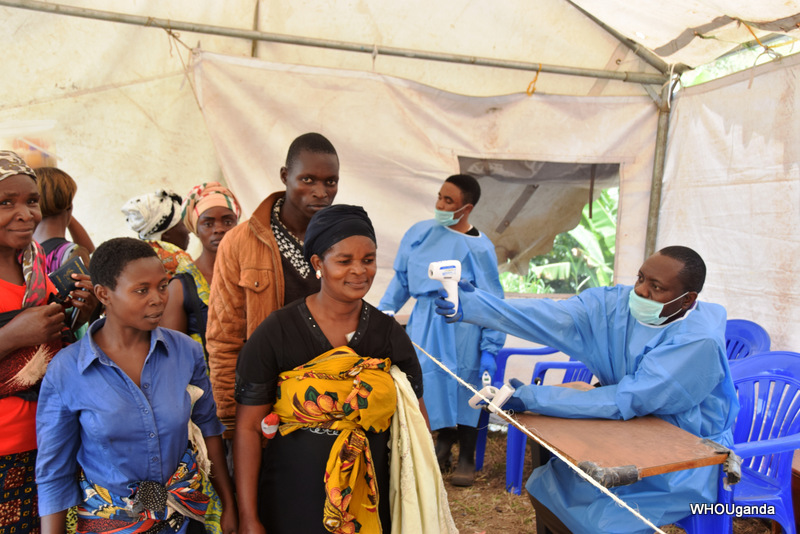
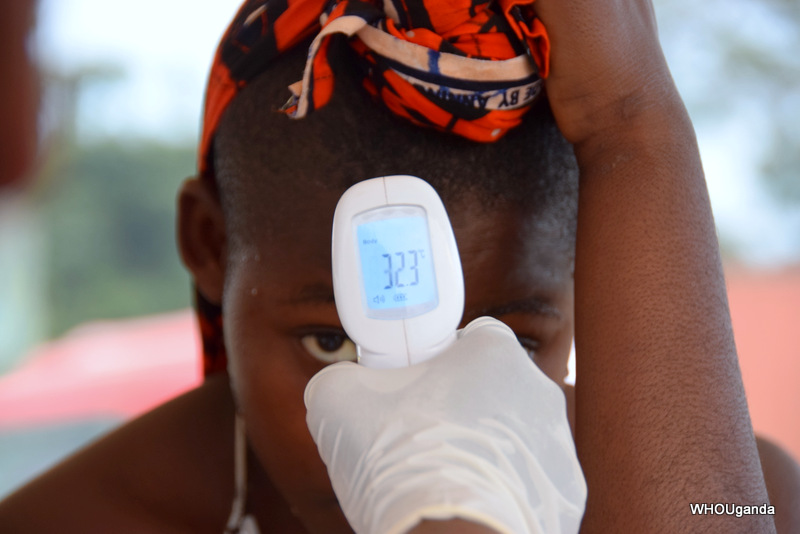
The most common symptoms of COVID-19 are fever, cough, sore throat and shortness of breath. If you have these symptoms or know someone who has them in your family or community, please report immediately to the nearest heath facility for evaluation and assistance. COVID-19 patients who are managed early recover well from the disease thereby contributing to prevention and control efforts.
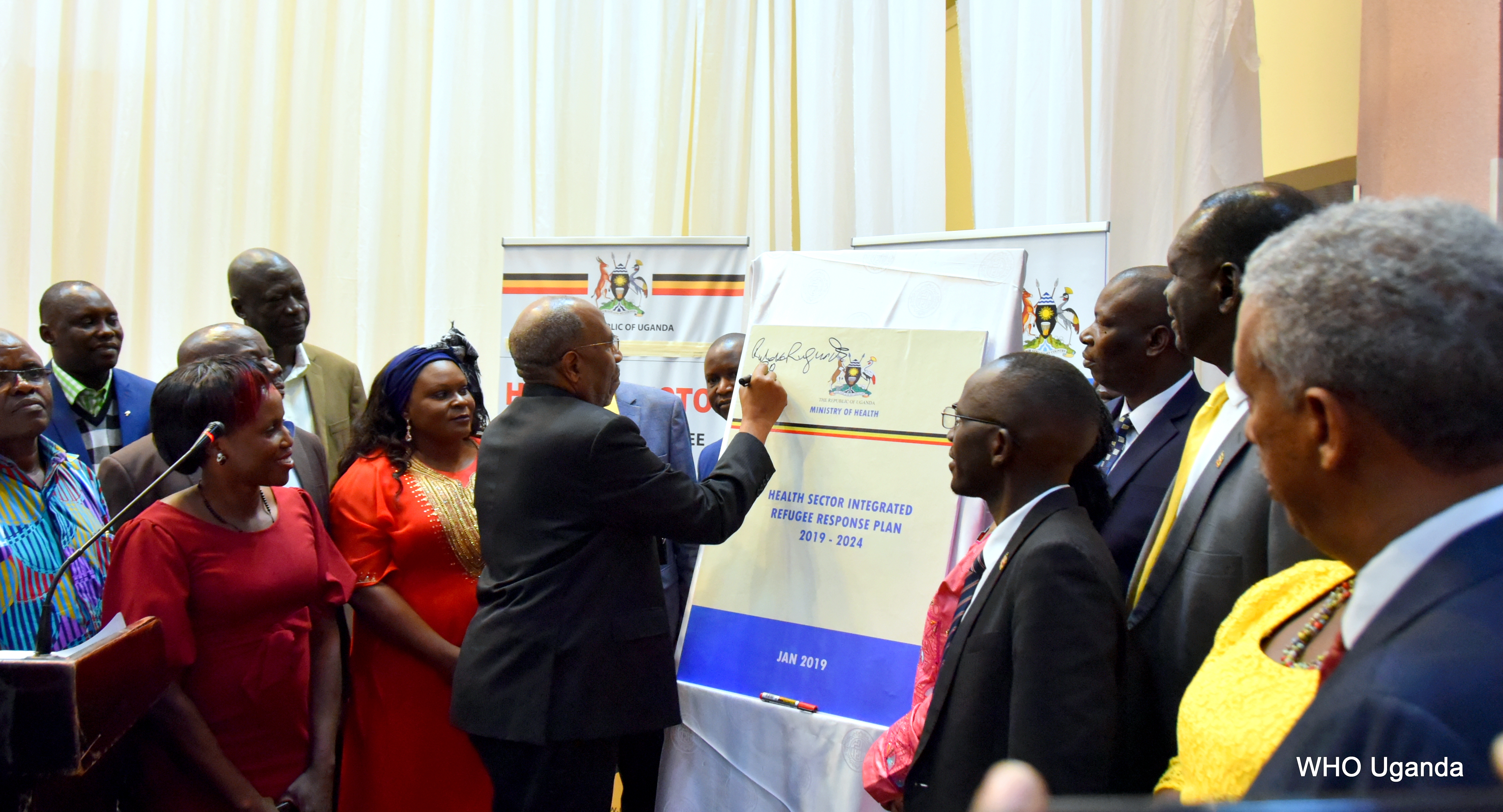
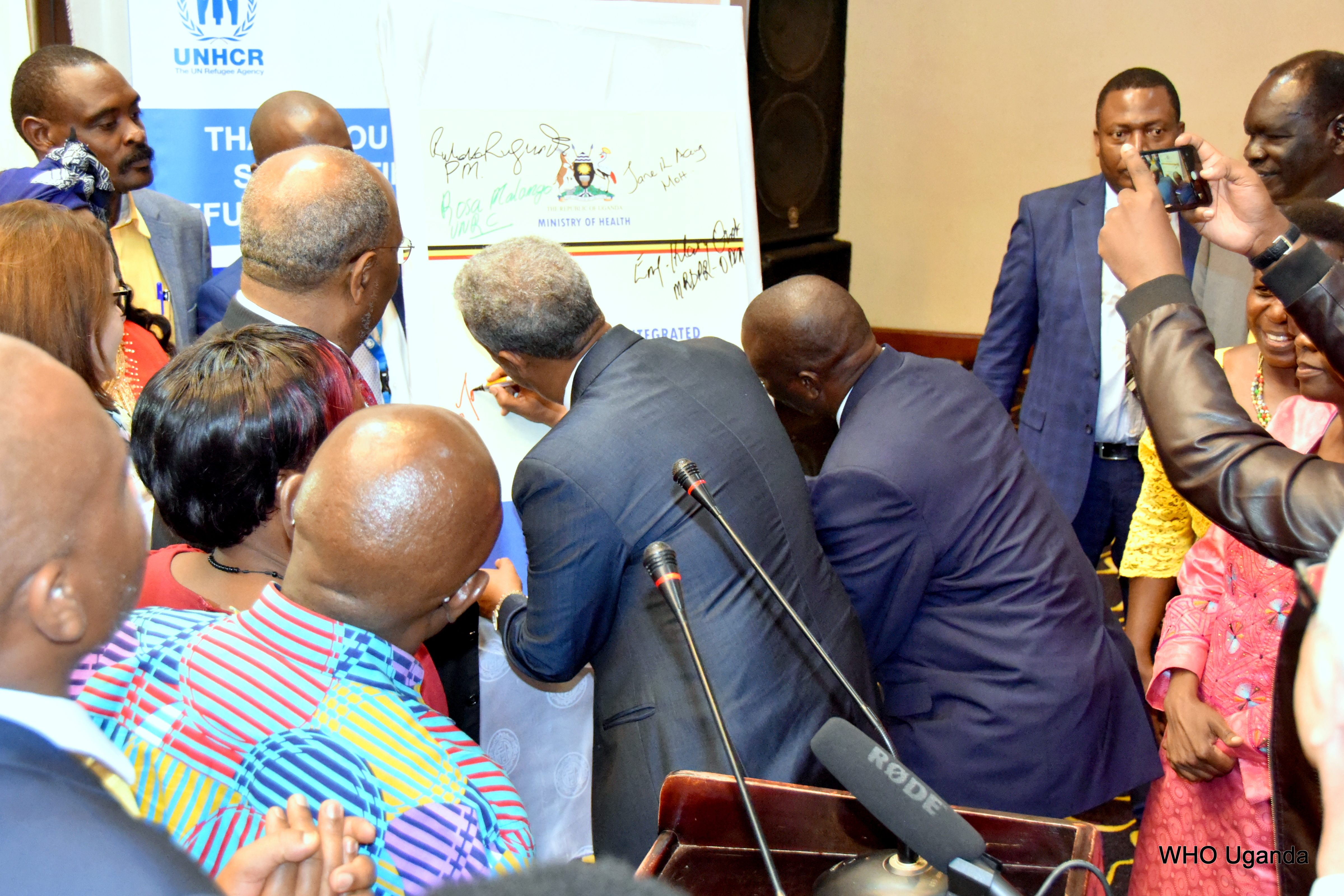
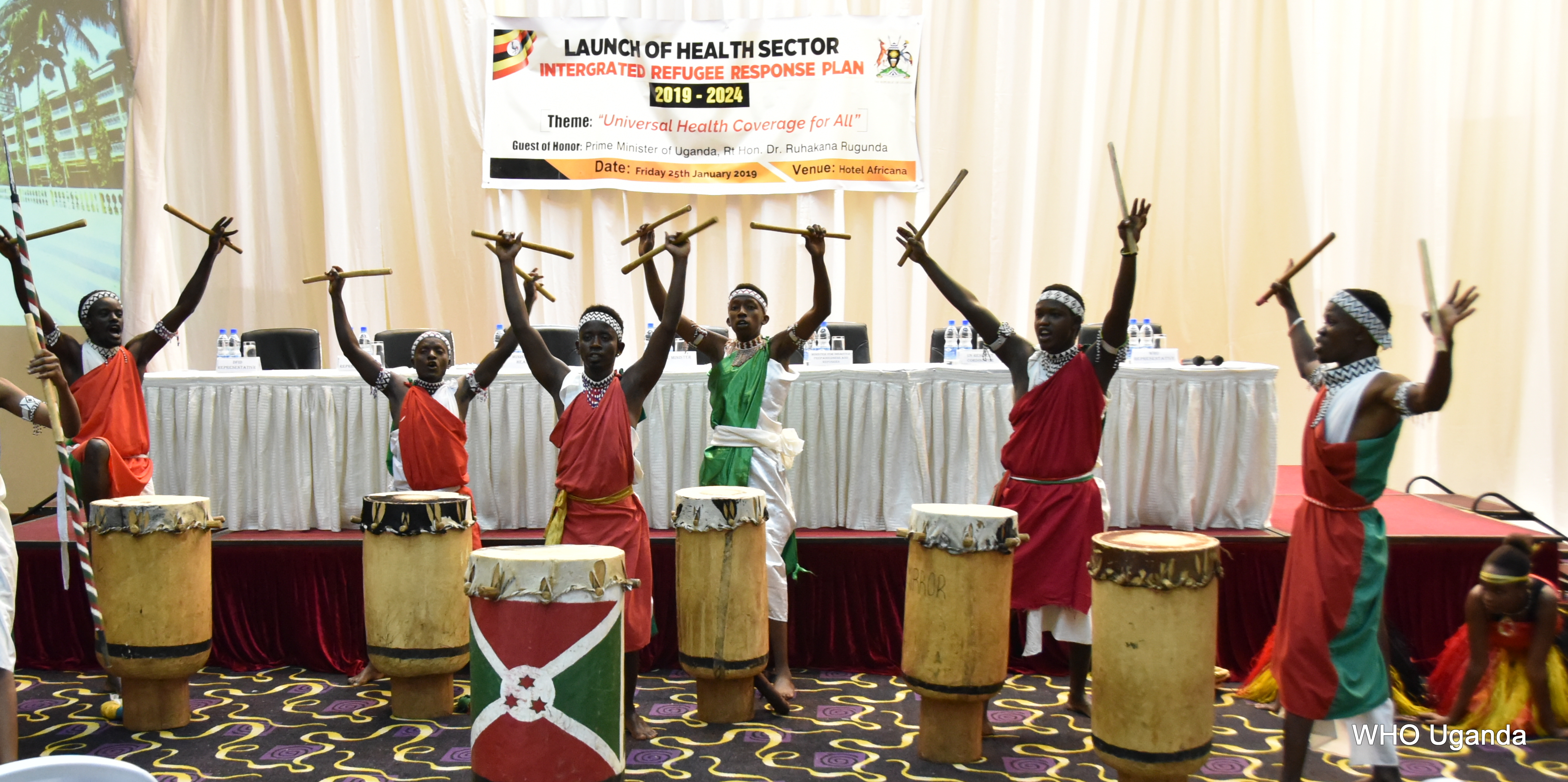
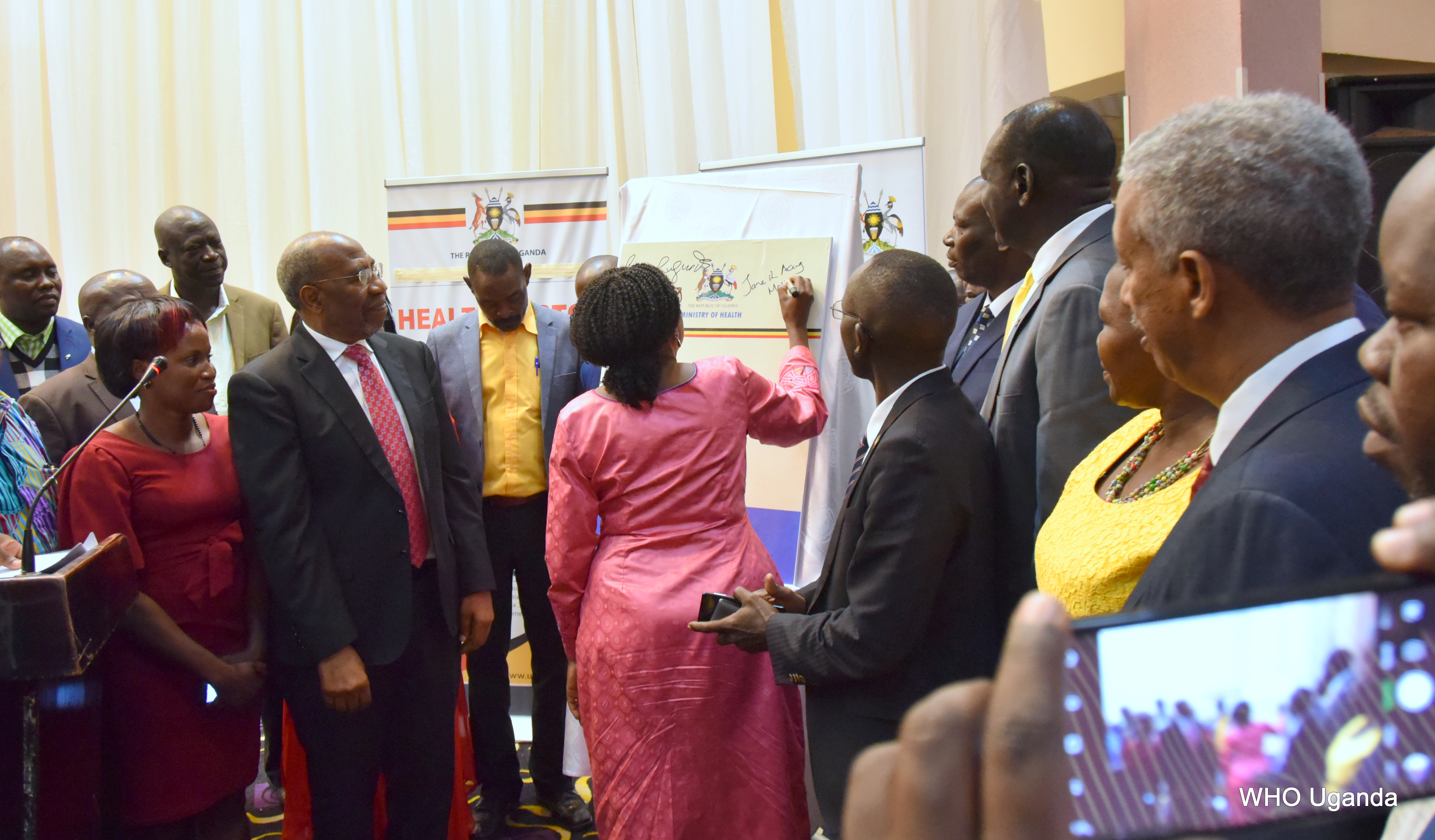
The Government of Uganda launched the Health Sector Refugee Response Plan 2019-2024, (HSIRRP 2019-2024). This is a five-year plan that advocates for the provision of integrated services for both refugees and refugee-host communities in all the refugee-hosting districts.
The HSRIIP is intended to address the needs of refugees and the host communities and ensure access to quality health services for both through improvement of staffing of refugee-hosting districts to 95% of the public staffing norms.
In addition, 50% of the public health centres at level II will be improved to health centres level III. Likewise, adequate medicine and health supplies will be distributed to the respective districts using the national distribution channels.
The capacity of facility-based health workers and community health extension workers will also be built to adequately meet the needs of the communities.
Uganda hosts over 1.19 million refugees and ranks third globally among the countries with the highest number of refugees.
In Uganda, WHO has been supporting the work of volunteer health workers on Village Health Teams, to get messages about COVID-19 prevention and surveillance to communities who need it most. This will not only help with prevention, but also reporting of COVID-19, which will help the Ministry of Health make the right decisions to prevent further spread of the virus. #health #Uganda #Africa #COVID
Dr Phiona Atuhebwe narrates her experience with COVID-19. The detection, evacuation, treatment and discharge. Find out how she still suffers from the after-effects, two months into her healing process.
Gender inequity, poverty among women, weak economic capacity, sexual and gender-based violence including female genital mutilation (FGM) are major impediments to the amelioration of women's health in the African Region. To ensure that women and men have equal access to the necessary opportunities to achieve their full health potential and health equity, the health sector and the community need to recognize that women and men differ in terms of both sex and gender. Because of social (gender) and biological (sex) differences, women and men experience different health risks, health-seeking behaviour, health outcomes and responses from health systems.
En Ouganda, l'OMS soutient le travail des bénévoles des équipes de santé des villages, pour transmettre des messages sur la prévention et la surveillance de la COVID-19 aux communautés qui en ont le plus besoin. Cela contribuera non seulement à la prévention, mais aussi à la notification des cas de COVID-19, ce qui permettra au ministère de la Santé de prendre les décisions appropriées pour éviter une nouvelle propagation du virus. #santé #ouganda #afrique #COVID-19